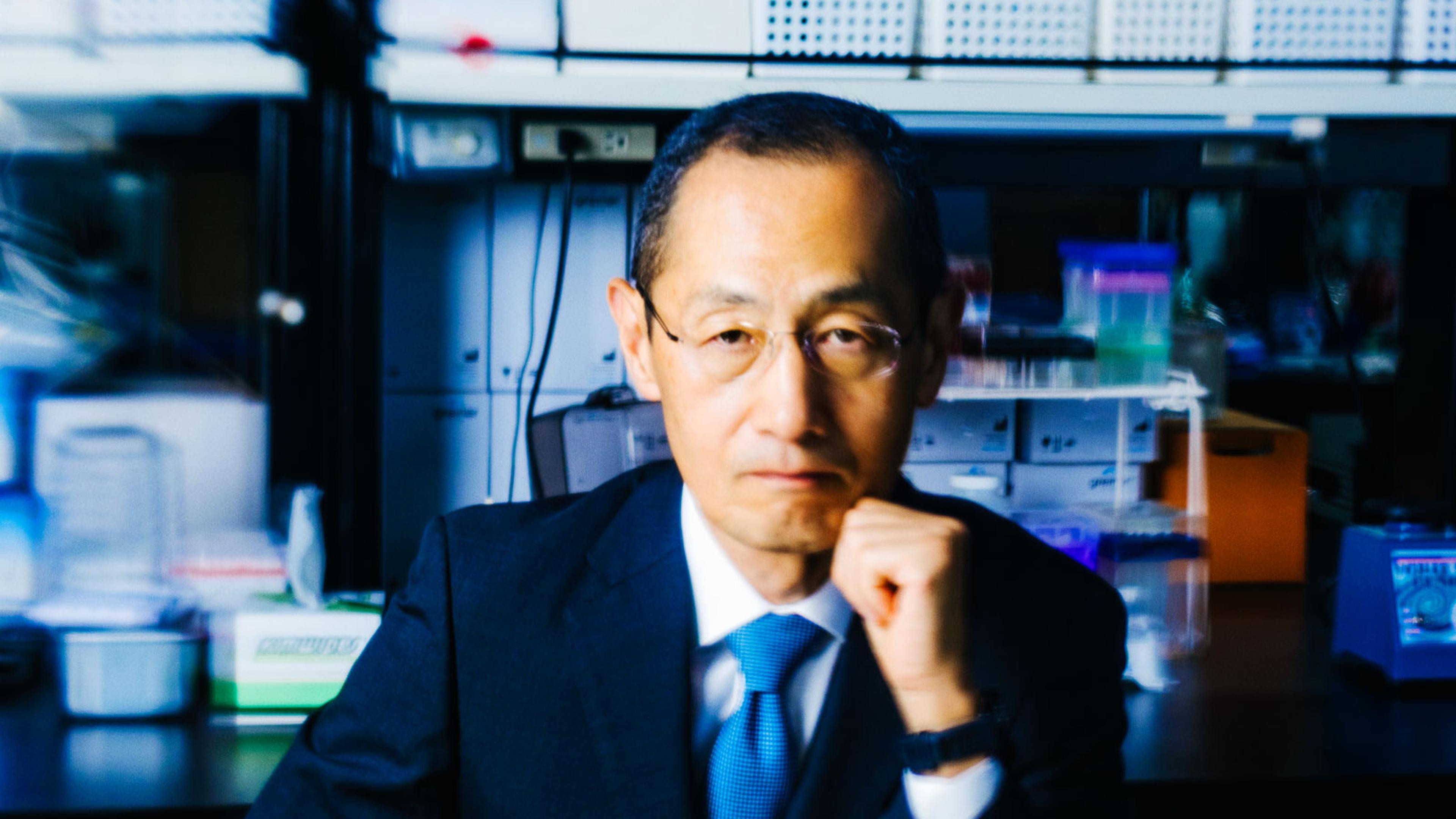
Twenty years after Shinya Yamanaka published his groundbreaking paper on induced pluripotent stem (iPS) cells, the first medical treatments based on the technology have received regulatory approval. In March 2026, the Japanese government issued conditional approvals for two iPS cell therapies: one targeting Parkinson's disease and another for heart failure. Yamanaka, who won the 2012 Nobel Prize in Physiology or Medicine for the discovery, directs the Center for iPS Cell Research and Application (CiRA) at Kyoto University.
Yamanaka's 2006 breakthrough showed that adult cells could be reprogrammed to an embryonic-like state by introducing four specific genes, now known as Yamanaka factors. This overturned the long-held belief that cellular development was irreversible. The discovery bypassed the ethical concerns of using embryonic stem cells, though Yamanaka quickly recognized new ethical challenges, including the theoretical potential to create eggs, sperm, and embryos from any adult cell. He worked with the Japanese government and ethicists at CiRA to establish guidelines for germline applications.
Early iPS cell research faced a significant safety hurdle: one of the four reprogramming genes could promote tumor formation. Yamanaka developed methods to omit this gene and manufacture high-quality cells for human studies. The Japanese government invested heavily in CiRA to refine production standards, enabling the recent conditional approvals. If ongoing trials succeed, they could open the door to treating aging itself by reprogramming older cells to regain youthful function.
Researchers are now exploring partial reprogramming, which rejuvenates cells without fully reverting them to a pluripotent state. In May 2026, a U.S. trial treated its first patient with an injection using three Yamanaka factors to reprogram aging retinal cells damaged by glaucoma and optic neuropathy. These cells cannot regenerate naturally, and the therapy aims to restore their function and prevent blindness.
Separately, a University of Tokyo team is testing iPS cell-derived exosomes — small sacs containing cellular components — in mice and humans. Early research suggests the therapy reduces inflammation, a key driver of cellular aging. Yamanaka remains cautiously optimistic, noting that reprogrammed cells' long-term equivalence to naturally developed cells in function and safety is not yet fully established.
Yamanaka splits his time between CiRA and the Gladstone Institutes in San Francisco, where his current research investigates why some cells resist reprogramming. Understanding these limitations may reveal deeper mechanisms of aging. He describes the field as being at a marathon's halfway point: significant progress has been made, but the remaining challenges are substantial.
Looking ahead 20 years, Yamanaka hopes to see more approved iPS cell therapies but also anticipates entirely new technologies that could supersede his discovery. "My hope is that in 20 years, we have other technologies so that iPS cells aren't required anymore," he said. "I hope the younger generation will come up with something even better."
Shinya Yamanaka Made Cells Young Again. Can That Reverse Aging?
This is an independent summary. The complete reporting, supporting context and any primary documents remain with TIME.