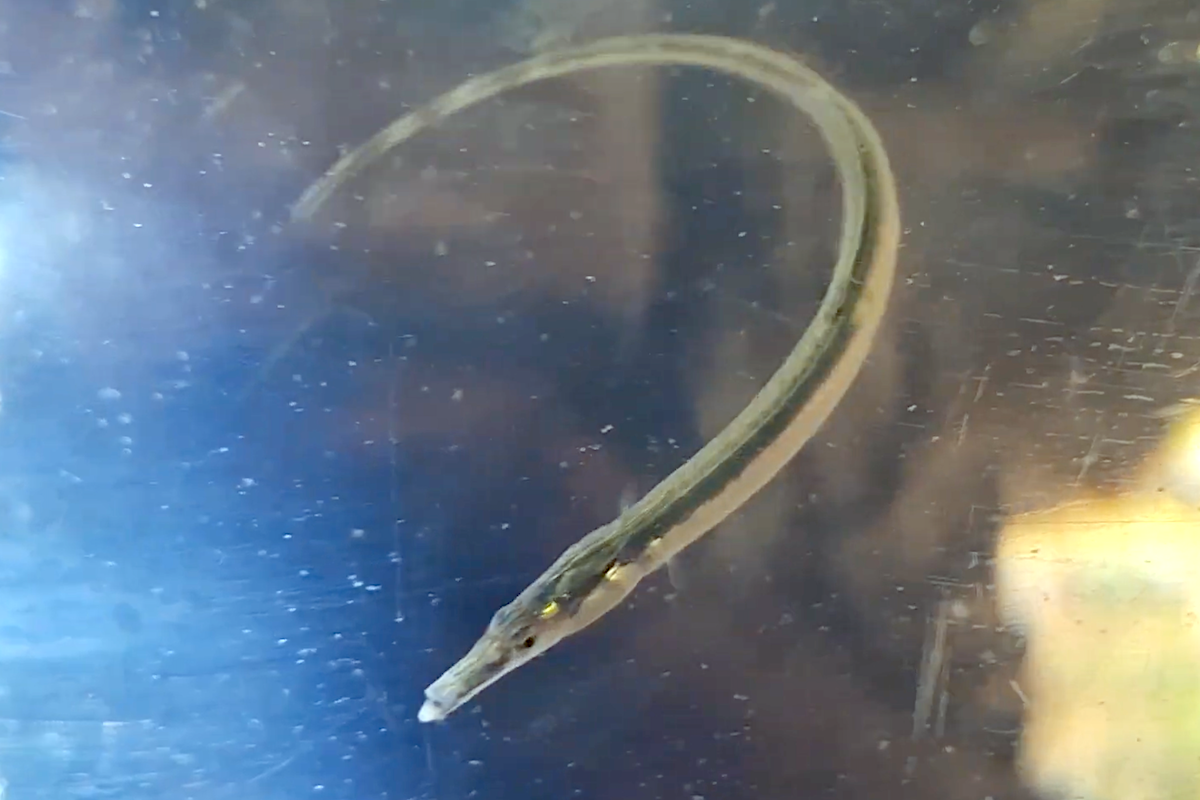
Researchers have rediscovered the spinach pipefish, a seahorse relative not formally recorded in more than 40 years, in the Sepik River system of Papua New Guinea. The species had been listed among the 10 "most wanted" lost freshwater fish by SHOAL, a U.K. conservation group, and scientists feared it had gone extinct.
A two-week expedition traversed the 700-mile Sepik River and its tributaries, traveling by motorized boat and canoe through forests, floodplains, and wetlands. Researchers from the New Guinea Binatang Research Centre showed photographs to fishers, vendors, and village elders across multiple communities to gather leads on the fish's whereabouts.
Villagers consistently described a long, slender fish in the river shallows, using various local names including Karuweng, Inap, Karuwena, and Sako. Their descriptions matched the profile of the missing spinach pipefish, demonstrating the critical role of local ecological knowledge in the search.
In the expedition's final days, prawn fisher Helen Asu of Imbando Village captured two specimens using a handheld net. Researchers shared photographs with Australian ichthyologist Gerald Allen, who had documented the species in the 1980s, and he confirmed the rediscovery.
Marine biologist Amanda Vincent, who chairs the IUCN expert group on seahorses, pipefishes, and seadragons, welcomed the finding as a sign that other lost species may persist undetected. The rediscovery also underscores the vulnerability of freshwater ecosystems in the region.
During interviews throughout the expedition, villagers reported declines in native fish populations attributed to mining, logging, and other pressures. A recent U.N. report found that migratory freshwater fish populations globally have declined by 81 percent over the past half-century.
The spinach pipefish's survival in the Sepik system offers a rare positive data point amid widespread freshwater biodiversity loss. Researchers emphasize that protecting the river's habitat is essential for the species' continued existence and for other imperiled freshwater fauna.
The expedition was conducted by the New Guinea Binatang Research Centre with support from SHOAL and relied heavily on collaboration with communities along the Sepik River.
One of the World's ‘Most Wanted’ Lost Fish Is Rediscovered
This is an independent summary. The complete reporting, supporting context and any primary documents remain with Yale Environment 360.