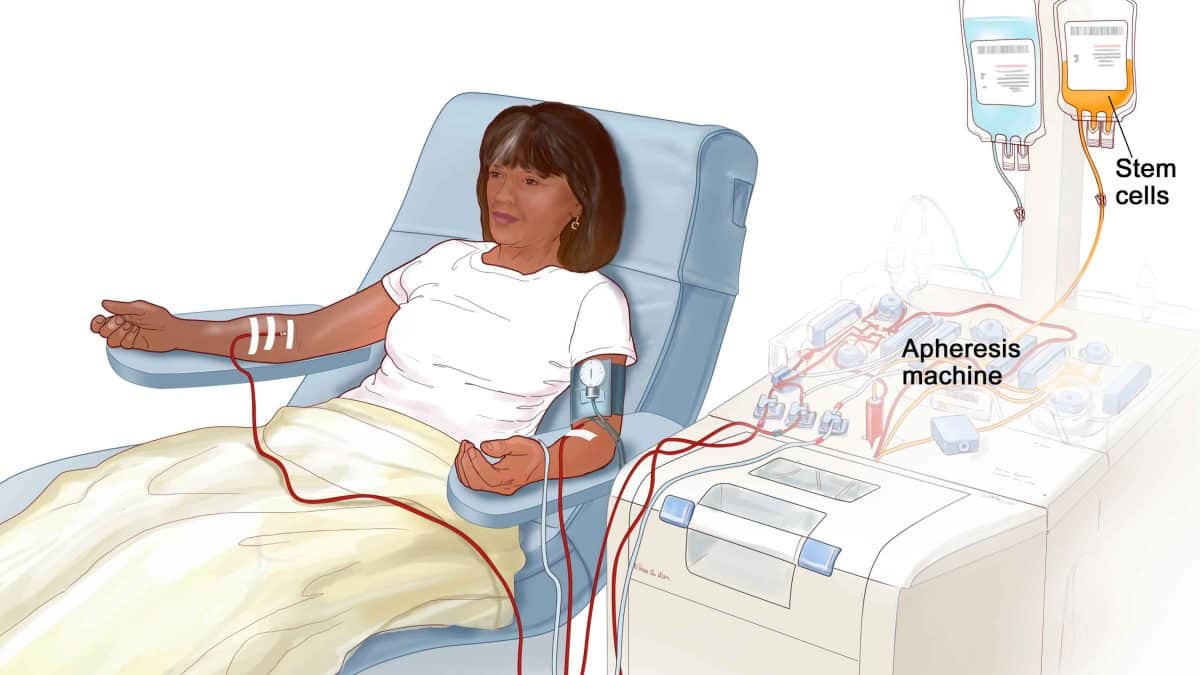
A standard medical procedure called lipoprotein apheresis, used for decades to filter excess low-density lipoprotein (LDL) particles from the bloodstream, has shown an unexpected secondary effect.
Scientists observed that after undergoing apheresis, some patients also had reduced levels of per- and polyfluoroalkyl substances (PFAS), known as "forever chemicals," as well as microplastic particles in their blood.
The researchers cannot yet fully explain the mechanism behind this reduction.
They hypothesize that these environmental pollutants may travel in the bloodstream bound within complexes of proteins and lipids, which are removed during the apheresis process.
Lipoprotein apheresis works by selectively separating blood plasma and filtering out LDL particles before returning the treated blood to the patient.
The finding suggests a potential pathway for removing persistent environmental contaminants from the human body, though the study notes the effect was observed in some patients and the precise mechanism remains under investigation.
Further research is needed to confirm the consistency of this effect and to understand the binding dynamics between pollutants and lipoproteins.
The procedure itself is an established treatment for severe familial hypercholesterolemia and other lipid disorders.
Очистка крови от «плохого» холестерина неожиданно удалила «вечные химикаты» и микропластик
This is an independent summary. The complete reporting, supporting context and any primary documents remain with Naked Science.