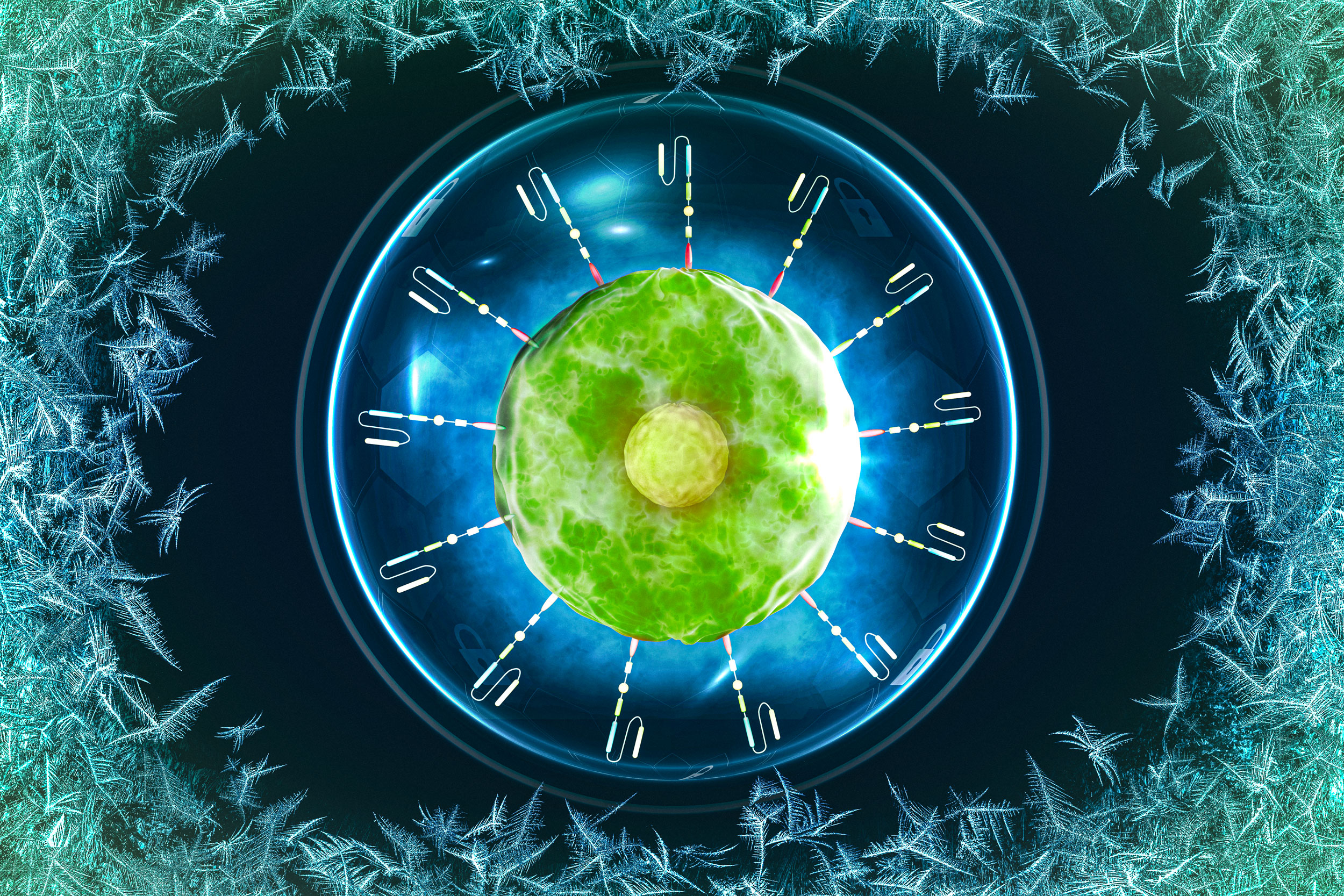
MIT researchers have developed a cryopreservation method that uses the natural sugars trehalose and sucrose to protect CAR-T cells during freezing and shipping, significantly reducing reliance on the chemical dimethyl sulfoxide (DMSO). The study, published in Trends in Biotechnology, was led by postdocs Amy Lee and Khanh Tran with senior authors Ana Jaklenec and Robert Langer.
CAR-T cell therapy engineers a patient's T cells to target cancer, but only about 5 percent of U.S. hospitals can generate and administer these cells. Most cells are produced at centralized facilities, frozen with DMSO to prevent ice crystal damage, and shipped to treatment centers. DMSO must be removed before infusion, a process that requires specialized equipment and can harm cells, limiting where the therapy can be offered.
The new approach loads sugars into cells using electroporation, a brief electrical pulse that creates temporary pores in the cell membrane. Trehalose and sucrose, which help Arctic organisms survive freezing, protect proteins and inhibit ice formation inside the cell. A small amount of DMSO is still used, but at a concentration low enough to avoid the need for removal after thawing.
In laboratory tests, CAR-T cells and mesenchymal stem cells preserved with the sugar-based method showed higher post-thaw survival rates than those frozen with conventional DMSO protocols. Mice treated with sugar-preserved CAR-T cells for non-Hodgkin's lymphoma and glioblastoma also had higher survival rates than mice receiving DMSO-preserved cells.
The researchers say the technique could allow many more hospitals to offer CAR-T therapy by eliminating the need for DMSO washing steps. They plan to collaborate with hospitals to test integration into existing manufacturing workflows, with a potential small patient trial if viability and functionality remain strong.
Vijay Sankaran of Boston Children's Hospital and Harvard Medical School, who was not involved in the study, noted the approach could make cell therapies more reliable and effective, though further clinical validation is needed. The work was supported by fellowships from the Ludwig Center at MIT's Koch Institute and the MIT Marble Center for Cancer Nanomedicine.
Cell-preservation technique could make CAR-T cell therapy more accessible
This is an independent summary. The complete reporting, supporting context and any primary documents remain with MIT News.