A review published in Science proposes that dietary sugars from fruit and honey played a central, underappreciated role in the evolution of large human brains. Over roughly four million years, hominin brain mass increased from about 300 grams to 1,500 grams, with much of that growth occurring before the controlled use of fire and cooking made starches widely accessible.
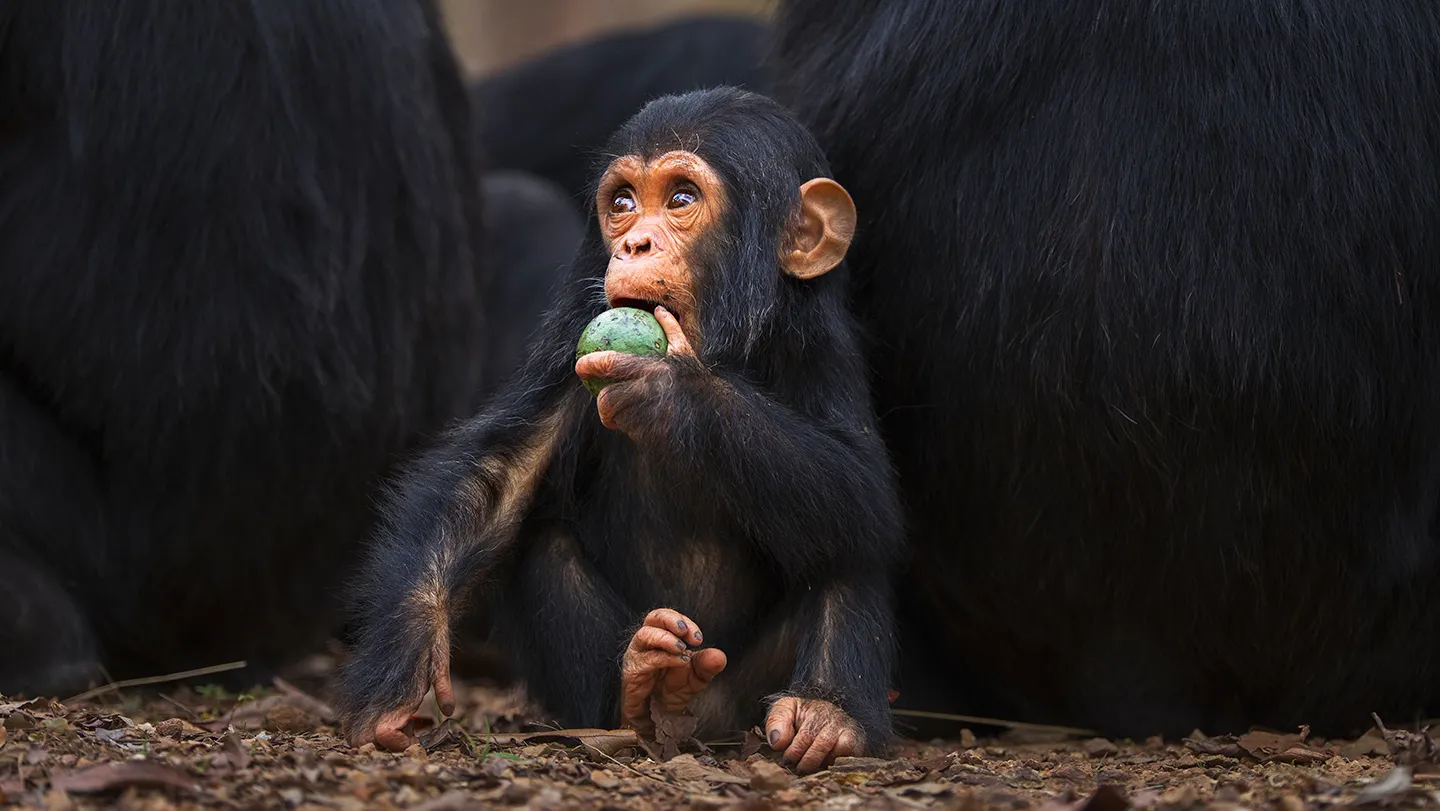
Researchers led by human nutrition scientist Jennie Brand-Miller of the University of Sydney combined existing fossil, dental, metabolic and physiological data to model the diets of chimpanzees, humans and three early hominin species. Their analysis suggests that the earliest australopith-like ancestors obtained more than two-thirds of their dietary energy from fruit.
That reliance on sugary foods remained high even as brains expanded over subsequent millions of years. The authors argue that simple carbohydrates supplied a consistent, dense energy source that supported the metabolic demands of growing neural tissue alongside protein and fat from meat.
Brand-Miller notes that tooth decay in fossil primates and later hominins such as Homo erectus indicates regular consumption of soft, sugar-rich foods. She also points to the cognitive demands of remembering when and where fruit ripens as a potential selective pressure for larger brains.
The paper frames sugar consumption and meat-eating as parallel, complementary dietary strategies rather than sequential replacements. University of Oxford archaeologist Julie Lee-Thorp, who was not involved in the study, agrees that a modern cultural bias toward meat as a high-status food may have skewed paleoanthropological interpretations.
UCLA biological anthropologist Brian Wood, also not involved, cautions that the field has long recognized diverse foraging strategies — including hunting, nut-cracking, honey gathering and tuber digging — as part of a general ability to acquire high-quality, difficult-to-obtain foods.
The researchers dub their hypothesis SWEET, for "sugars were essential in evolution too," and call for greater integration of carbohydrate sources into models of human dietary evolution. The study is a synthesis of existing data rather than a presentation of new fossil or isotopic evidence.
Limitations include the reliance on comparative modeling and the difficulty of precisely quantifying the proportion of sugars versus other macronutrients in extinct species' diets from the current fossil record.
Sugar may have been a key ingredient in human evolution
This is an independent summary. The complete reporting, supporting context and any primary documents remain with Science News.