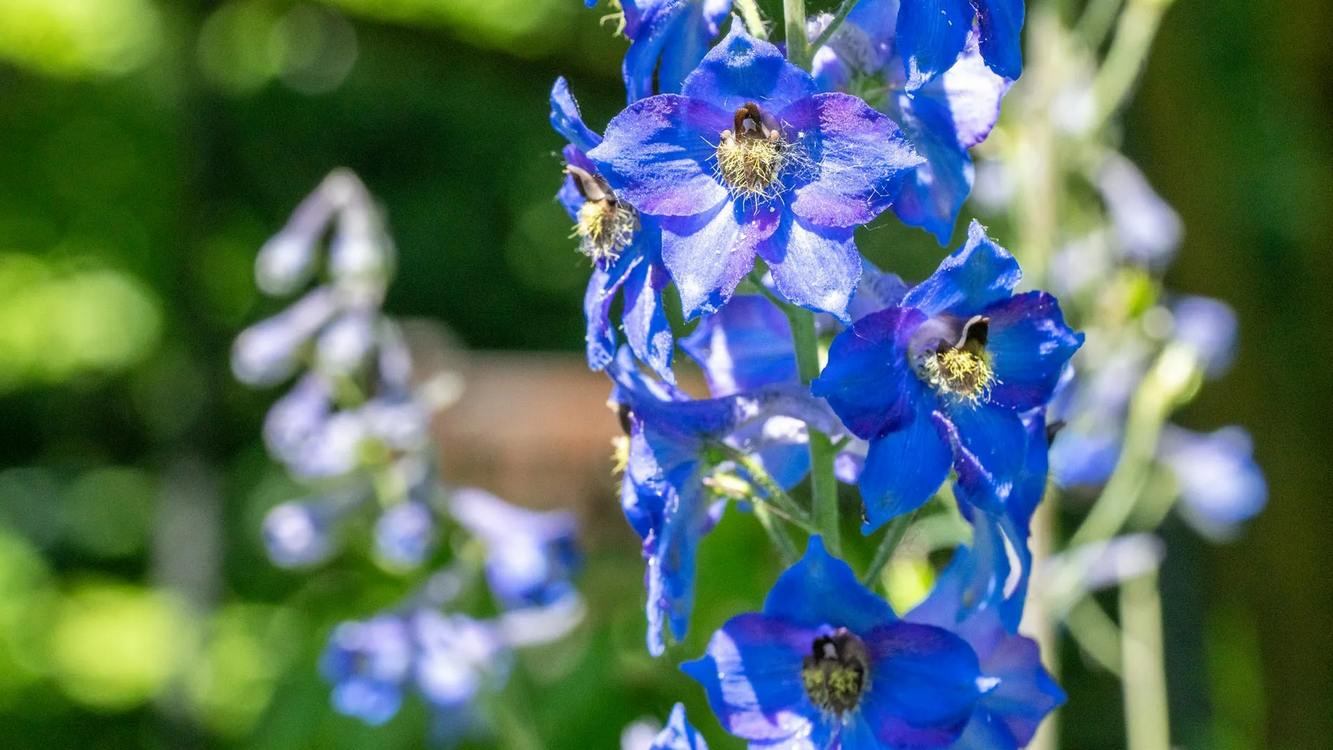
Scientists from Michigan State University and the Czech Academy of Sciences have mapped the biochemical pathway that allows wolfsbane and larkspur to produce diterpenoid alkaloids, a class of complex compounds with known medicinal properties.
The collaboration began after researchers from both institutions met at a conference in Barcelona and realized they were pursuing the same challenging molecules.
Diterpenoid alkaloids sit at the intersection of the two largest classes of plant chemicals, and their intricate structures have resisted laboratory synthesis for nearly 200 years.
By inserting candidate genes from the two plants into tobacco, the team identified six unique enzymes that successfully produced the alkaloid atisinium.
These enzymes facilitate the compound's complex folding and incorporate a crucial nitrogen source in an unexpected way.
The discovery provides a foundational foothold for accessing the broader family of diterpenoid alkaloids, which have historically been used to treat pain, malaria, and cancer.
Because plants produce these metabolites slowly and in minute quantities, deciphering the genetic blueprint allows for engineering host organisms like yeast to manufacture them at scale.
The findings were published in the journal Molecular Plant.
Used for Centuries as Poison, Larkspur, Wolfsbane May Become Medicine After Lab Breakthrough
This is an independent summary. The complete reporting, supporting context and any primary documents remain with Good News Network.