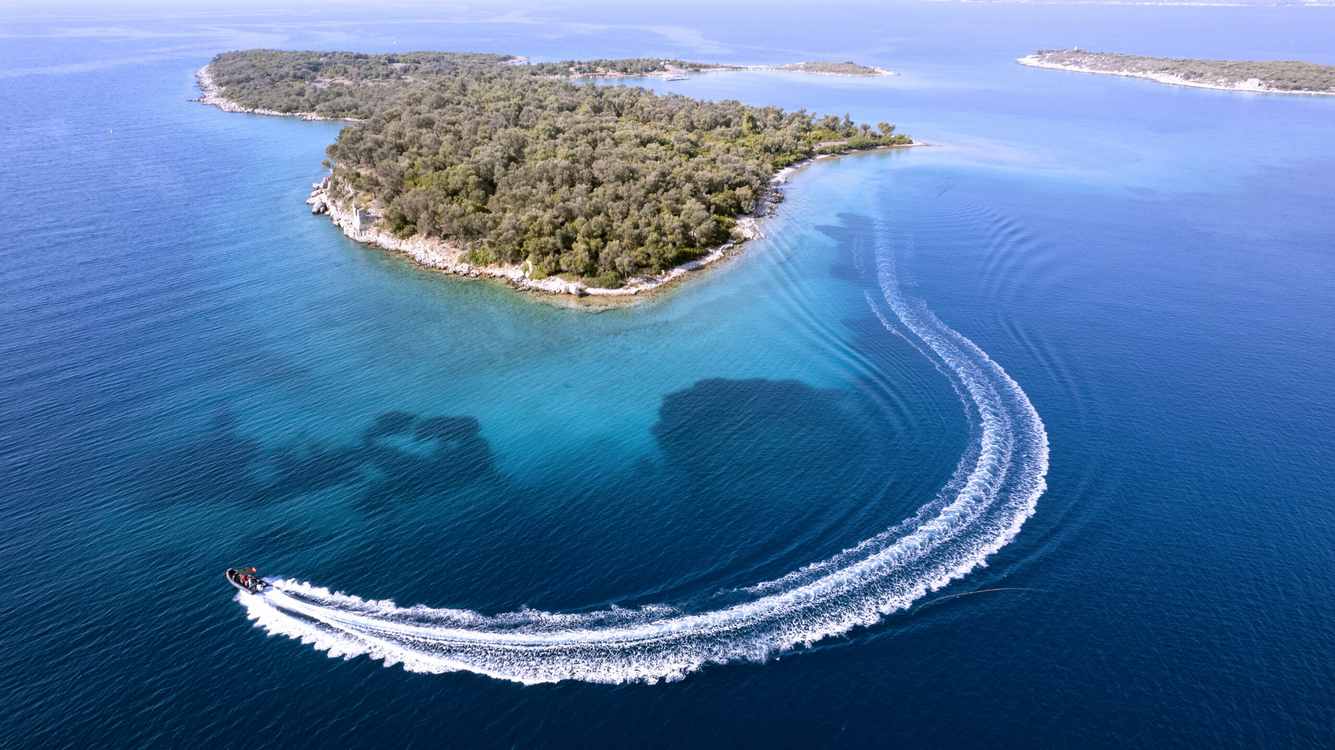
A coalition of Turkish conservationists and fishing communities has tripled the area of protected seascapes along 310 miles of the country's Mediterranean coastline between Gökova Bay and Cape Gelidonya. The effort, launched in 2019 with a $3 million grant from the Endangered Landscapes & Seascapes Program (ELSP), created or expanded 18 no-fishing zones across six existing marine protected areas by 2023.
ELSP, a nonprofit initiative originating from Cambridge University and funded by the UK-based Arcadia Fund, backed the project led by Turkish conservationist Zafer Kızılkaya. Kızılkaya, who later won the 2023 Goldman Environmental Prize, co-founded the Mediterranean Conservation Society (Akdeniz Koruma Derneği) to coordinate the work. The initiative aimed to connect fragmented habitats — including seagrass meadows and rocky coral beds — that had been separated by unprotected waters where illegal fishing depleted fish stocks.
Drawing on the success of Turkey's first community-managed marine protected area in Gökova Bay, established in 2012, Kızılkaya brought fishers from that region to demonstrate how no-fishing zones had increased their catch sizes. This peer-to-peer approach helped overcome initial skepticism from coastal communities dependent on the sea for their livelihoods.
With the Turkish coast guard stretched thin by migration and smuggling enforcement, the project recruited and trained local residents as marine rangers. These rangers identified illegal fishing operations and worked with law enforcement to drive them out, reducing illegal fishing by 80% in subsequent years.
Ecological recovery followed. Fishers reported increased catches in areas adjacent to the protected zones. Sandbar sharks returned to what is now the only part of the Mediterranean hosting sharks year-round. The endangered Mediterranean monk seal has also reappeared, with over 30 individuals now inhabiting the corridor.
Kızılkaya emphasized that mobile species like sharks and seals remain vulnerable when they leave protected patches. The project's current focus is establishing ecological corridors linking critical habitats along the full 310-mile stretch to address this spillover risk.
The initiative reflects a broader shift in Mediterranean conservation. Kızılkaya noted that 15 years ago, practitioners worked in isolation; today, a connected community shares strategies and supports replication across the region. He cited parallel successes, such as efforts to stabilize the bald ibis population in eastern Anatolia, as evidence of growing local capacity for conservation.
Locals Succeed in Tripling Protected Seascapes Along 300 Miles of Turkiye’s Breathtaking Coastline
This is an independent summary. The complete reporting, supporting context and any primary documents remain with Good News Network.