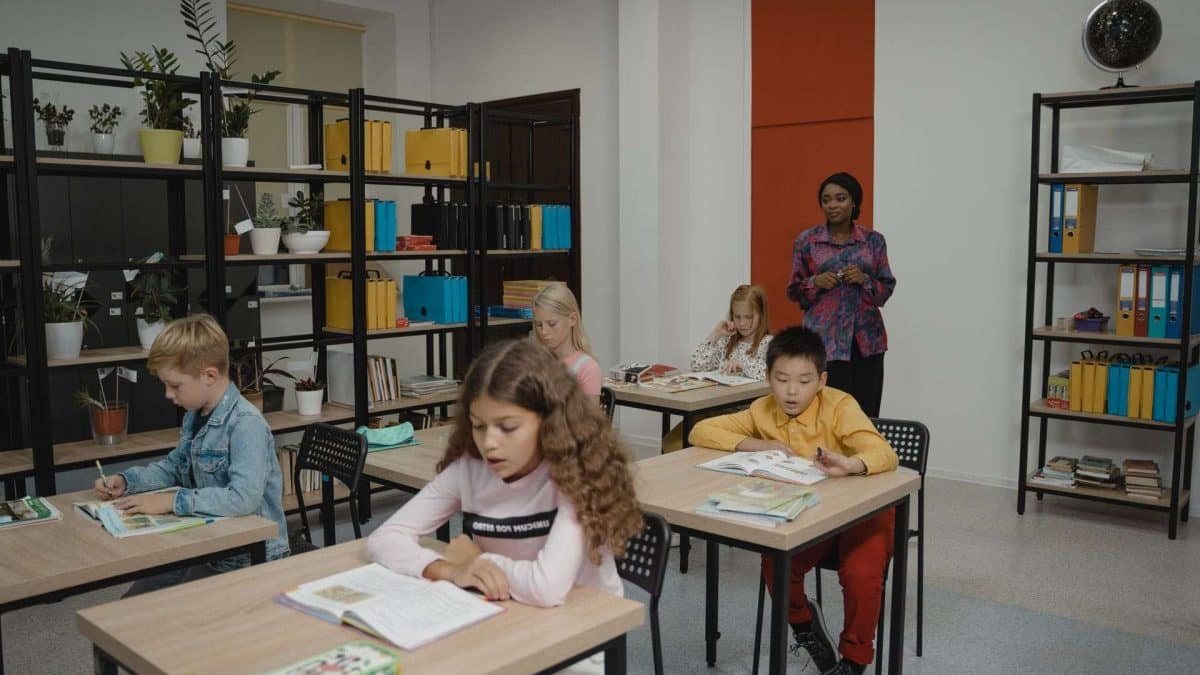
A study tracking children for two decades has found that attendance at free, state-funded pre-kindergarten programs at age four is associated with significantly better academic performance through the end of high school.
Researchers compared students who attended these structured pre-kindergarten programs with peers who went to standard daycare centers focused on basic supervision or who remained in home-based care.
The academic advantage linked to the pre-kindergarten experience persisted across multiple measures and remained evident at graduation.
The study design followed cohorts from early childhood through secondary school, allowing observation of long-term trajectories rather than only short-term effects.
Findings indicate that the quality of early education, as provided in the state-funded pre-kindergarten settings, plays a measurable role in shaping later scholastic outcomes.
The research adds to a body of evidence suggesting that early educational investments can yield sustained benefits, though the authors note that other family and school factors also influence results.
Limitations include the observational nature of the study, which cannot fully isolate preschool attendance from correlated variables such as parental involvement or subsequent school quality.
Further research is planned to examine which specific program elements drive the observed differences and how effects vary across demographic groups.
Двадцатилетнее исследование подтвердило: качественный детский сад реально влияет на академическое будущее ребенка
This is an independent summary. The complete reporting, supporting context and any primary documents remain with Naked Science.