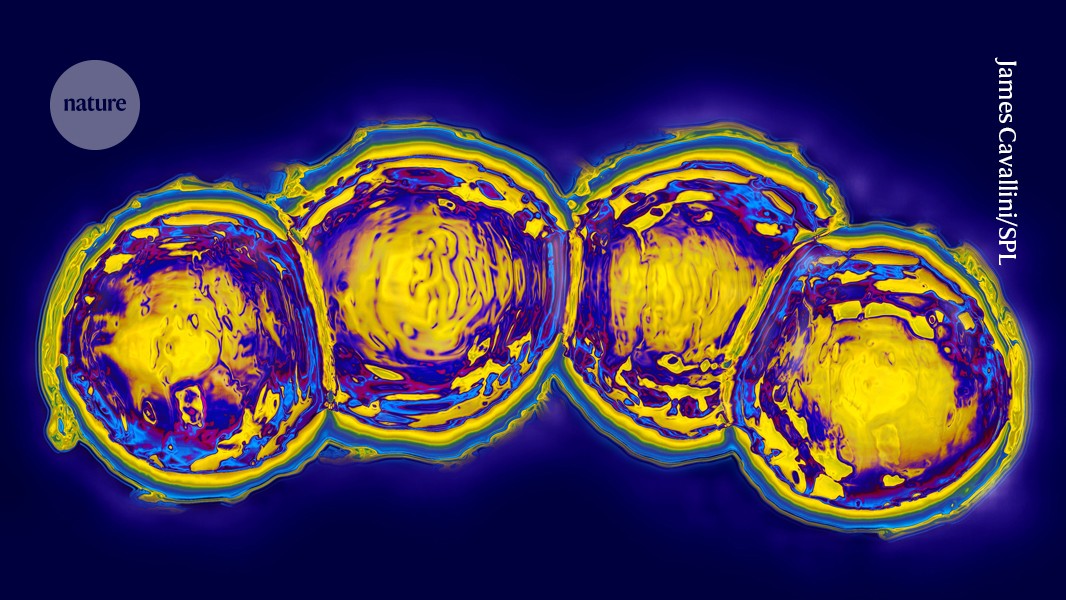
Researchers have developed a vaccine candidate that offers broad protection against Streptococcus pneumoniae, the bacterium responsible for pneumonia, meningitis, and sepsis. Current vaccines target the polysaccharide capsules that surround the bacteria, but more than 100 distinct capsule types exist, limiting the coverage of existing formulations. The new approach instead targets conserved proteins on the bacterial surface that are shared across different strains.
In a study published in Science Advances, a team led by T. Audshasai engineered a vaccine combining several of these common protein antigens. When tested in mice, the vaccine generated immune responses that protected against multiple pneumococcal strains, including those not covered by current polysaccharide-based vaccines. The protein-based strategy aims to overcome the serotype replacement phenomenon, where non-vaccine strains become more prevalent after vaccination campaigns.
The researchers identified candidate proteins by analyzing genomic data from diverse pneumococcal isolates to find surface-exposed proteins that remain consistent across strains. They then tested various combinations in animal models, measuring antibody production and survival rates after bacterial challenge. The most effective formulation included multiple protein antigens that together elicited broad protective immunity.
Unlike capsule-based vaccines, which require complex conjugation chemistry for each serotype, a protein-based vaccine could be simpler to manufacture and update. The approach also avoids the high costs associated with producing multivalent polysaccharide vaccines that currently cover only 13 to 20 of the more than 100 known serotypes.
The study represents a proof-of-concept in animal models; human trials have not yet begun. Questions remain about the duration of protection, optimal dosing schedules, and whether the immune response in humans will mirror the results seen in mice. The researchers note that protein antigens can vary in expression levels during infection, which may affect vaccine efficacy in real-world conditions.
Streptococcus pneumoniae remains a leading cause of vaccine-preventable death worldwide, particularly among young children and older adults. The World Health Organization estimates that pneumococcal disease kills more than 300,000 children under five annually, with the highest burden in low- and middle-income countries where current vaccines are less accessible due to cost.
If successful in human trials, a universal protein-based vaccine could significantly reduce the global burden of pneumococcal disease by providing comprehensive protection with a single, potentially more affordable formulation. The research team is now working to optimize the antigen combination and advance toward clinical testing.
The findings demonstrate that targeting conserved bacterial proteins is a viable strategy for developing broadly protective vaccines against highly variable pathogens. This approach may also inform vaccine development for other bacteria with extensive serotype diversity.
Universal vaccine for pneumococcal disease moves closer to reality
This is an independent summary. The complete reporting, supporting context and any primary documents remain with Nature.