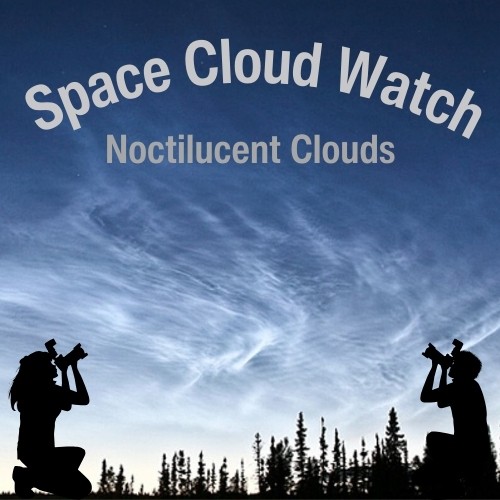
Volunteer Namai Chandra has developed a machine-learning pipeline for the NASA-supported Space Cloud Watch project to help participants identify noctilucent clouds (NLCs). These high-altitude clouds scatter sunlight after sunset and before sunrise, producing a silvery glow, but they are frequently confused with lower-altitude look-alikes in submitted photos.
Chandra noticed that project leaders Drs. Chihoko Cullens and Brentha Thurairajah were manually verifying each NLC image, a repetitive task he thought could be automated while keeping human judgment for ambiguous cases. He proposed a human-in-the-loop system and collaborated with the scientists to build it.
The pipeline combines image pre-screening, cloud classification, and confidence-based review routing. Chandra trained the model on a variety of cloud images, including both confirmed NLCs and the lower-altitude clouds often mistaken for them.
After several rounds of development, testing, and refinement, the tool — called the Noctilucent Cloud Detector — was released to the project. Contributors who are unsure whether they have photographed an NLC can now check their images before submitting them.
Project scientists also use the tool to flag images that need closer review. The system is designed to handle routine screening automatically while reserving uncertain cases for human evaluation.
Space Cloud Watch asks people worldwide to submit fresh images of NLCs to help researchers study why these clouds are appearing more often and at lower altitudes than in the past, which may reflect shifts in long-term weather patterns.
The tool is now in active use by both volunteers and project scientists. Chandra remains a volunteer with the project and the creator of the detection tool.
Volunteer Develops Machine-Learning Tool to Identify Rare Clouds
This is an independent summary. The complete reporting, supporting context and any primary documents remain with NASA.