Inventor and serial entrepreneur Diana Yousef developed the iThrone waterless toilet while working on spaceborne sanitation at NASA. She recognized that the constraints for a toilet in orbit — no water flush, no sewer connection — mirror the daily reality for roughly one billion people worldwide who lack access to plumbing and sewage infrastructure.
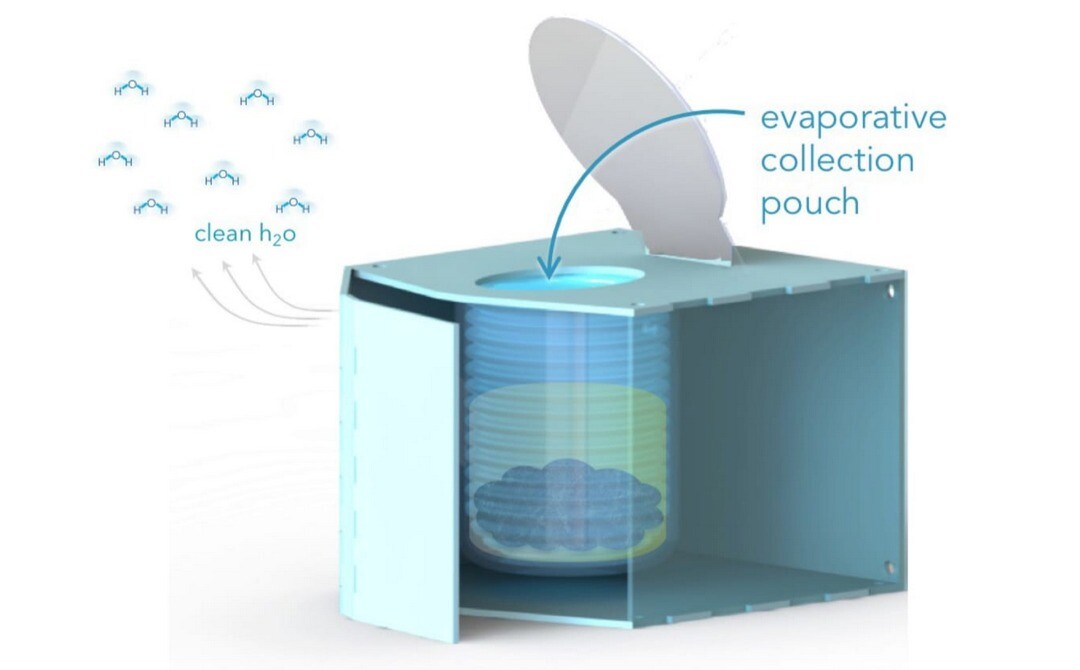
The iThrone rapidly evaporates 95 percent of the water content in urine and feces, reducing waste volume and pathogen risk without requiring water, electricity, or sewer hookups. Designed as a simple, replicable stand-alone unit, it can be transported and installed in diverse environments, from rural villages to dense urban settlements.
Units have already been deployed to an estimated 20,000 households in Uganda, Panama, and the United States, providing safer sanitation where conventional systems are absent or impractical. Yousef holds degrees from Cornell, Columbia, and Harvard and leads the startup change:WATER, which manufactures and distributes the toilets.
In 2026 Yousef received the Global Citizen Waislitz Award, which includes a $100,000 prize to expand distribution. She stated the funding will help scale iThrone deployment to millions more households by next year, advancing the company's mission to make safe, sustainable sanitation accessible everywhere.
The technology addresses a core public-health challenge: without safe waste management, communities face elevated risks of diarrheal disease, groundwater contamination, and safety hazards, particularly for women and girls. By eliminating the need for water and sewers, the iThrone offers a practical alternative where infrastructure investment is slow or unaffordable.
Independent verification of long-term performance, maintenance requirements, and user acceptance across the deployment sites is ongoing. The company has not released detailed data on operational costs, waste byproduct handling, or comparative health outcomes in the served communities.
Inventor Envisioned a Waterless Toilet for Astronauts, Realized it Could Solve a Global Sanitation Crisis Instead
This is an independent summary. The complete reporting, supporting context and any primary documents remain with Good News Network.