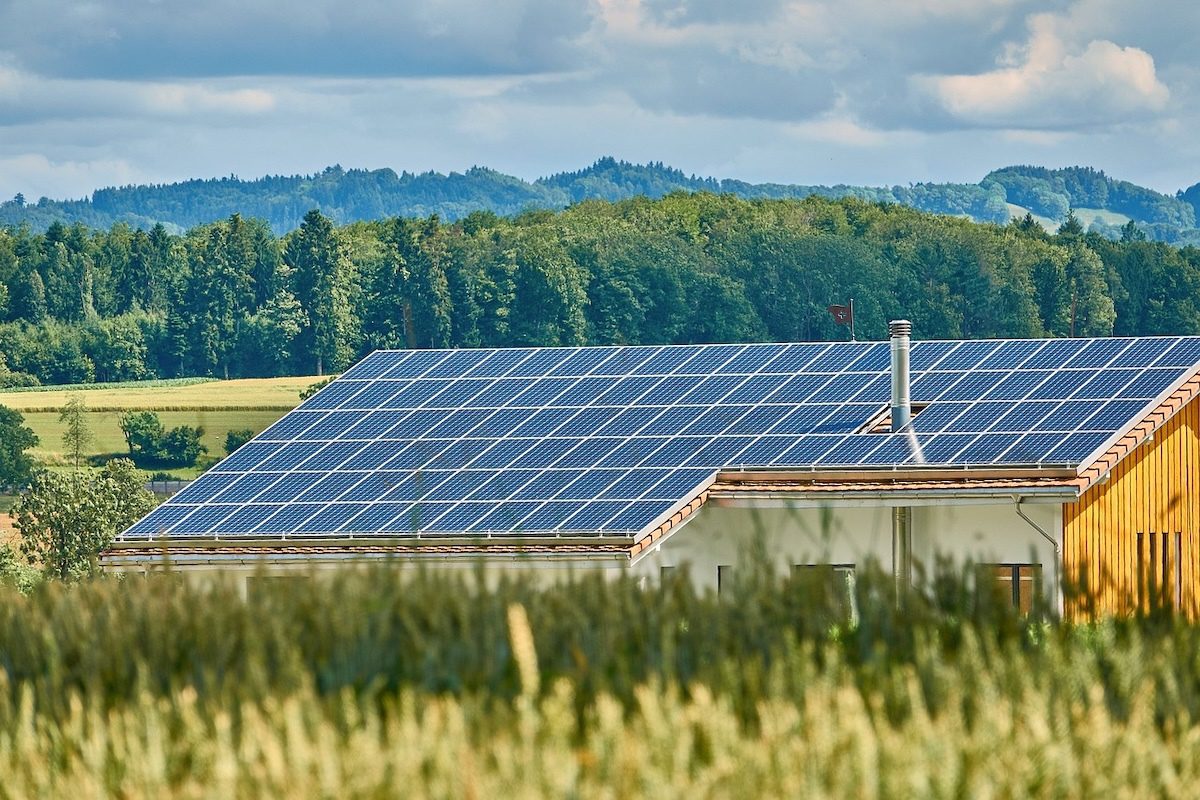
Germany generated more electricity from wind and solar than from fossil fuels for the first time in 2025, according to data from the London-based Energy Institute. Wind and solar together supplied 44 percent of the country's power, while fossil fuels accounted for roughly 43 percent.
The shift marks a milestone for the Energiewende, Germany's long-term policy to expand renewable energy and phase out gas, coal, and nuclear power. The country closed its last nuclear plants in 2023 and targets a coal exit by 2038, though analysts expect that transition to occur earlier.
By 2045, Germany's target date for net-zero emissions, any remaining gas-fired plants are slated to run on green hydrogen. Policy changes have accelerated renewable deployment, including digitized permitting, streamlined approvals, and a designation of clean energy as being of "overriding public interest" that shields projects from legal challenges.
As Europe's largest economy and the third largest globally, Germany's transition has influenced the broader European Union. Data from the energy think tank Ember show that wind and solar also overtook fossil fuels across the EU in 2025, generating 30 percent of the bloc's electricity versus 29 percent from fossil fuels, with nuclear and hydropower supplying most of the remainder.
The figures reflect structural changes in generation capacity rather than a single-year anomaly. Researchers note that the crossover point was reached as wind and solar capacity continued to expand while fossil-fuel generation declined.
Germany's experience demonstrates that a major industrial economy can achieve a renewable majority in electricity without nuclear power. The policy framework combines explicit phase-out dates with procedural reforms to reduce project lead times.
Uncertainties remain regarding the pace of grid expansion, storage deployment, and the conversion of gas plants to hydrogen. The 2038 coal deadline and 2045 net-zero target are policy goals whose achievement depends on continued investment and infrastructure development.
In Germany, Wind and Solar Overtake Fossil Power
This is an independent summary. The complete reporting, supporting context and any primary documents remain with Yale Environment 360.