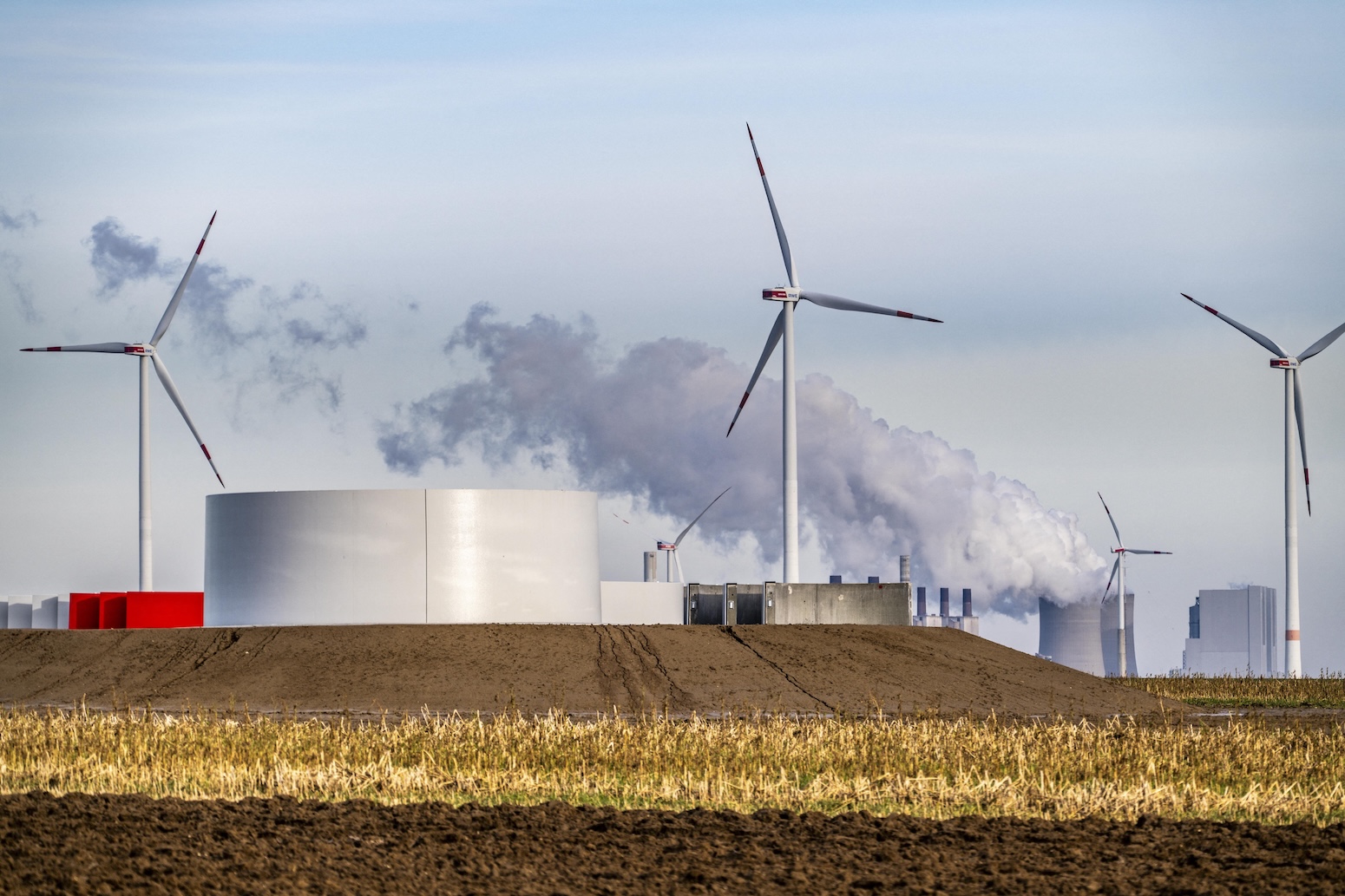
Wind and solar power together produced more electricity than fossil fuels in Germany for the first time in 2025, according to Carbon Brief analysis of Energy Institute data. The two renewable sources generated 225 terawatt-hours (TWh), accounting for 44% of total generation, while fossil fuels supplied 217 TWh, or 43%.
The crossover marks a turning point in Germany's long-running Energiewende, a policy framework that has driven rapid expansion of onshore wind and solar over the past two decades while phasing out nuclear power and reducing coal use. Coal generation has fallen sharply even as nuclear plants were retired, and experts say the country is on track to eliminate coal years before the official 2038 deadline.
Germany still relies on coal more heavily than most other European nations, and the current government has pursued new gas-fired power plants to support a renewables-heavy grid. A law adopted this year provides state support for those plants, with the intention of converting them to run on green hydrogen by 2045 to meet the net-zero target.
The country aims to reach 80% renewable electricity by 2030 and a largely climate-neutral power system by 2035, with economy-wide net-zero emissions by 2045. Approved onshore wind capacity hit a record 20.8 gigawatts in 2025, targeting 115 GW by 2030, while solar output reached unprecedented levels during the hot summer of 2026.
The European Union as a whole also saw wind and solar overtake fossil-fuel generation in 2025 for the first time, mirroring Germany's trajectory. Other renewables, including hydropower and bioenergy, contributed roughly a tenth of German power in 2025 and are counted toward the national targets.
Political opposition to the transition persists, notably from the far-right Alternative for Germany party, and the renewables industry has criticized proposed grid reforms that could slow project development. The government plans to publish a review of coal-phaseout timelines in August.
Nuclear power remains off the table despite some political figures calling the phaseout a strategic mistake; the government has ruled out a return to conventional nuclear. Germany's lack of nuclear generation means it must rely more heavily on wind and solar than neighbors such as France and the UK to meet its climate goals.
Analysis: Wind and solar power overtake fossil fuels in Germany for first time ever
This is an independent summary. The complete reporting, supporting context and any primary documents remain with Carbon Brief.