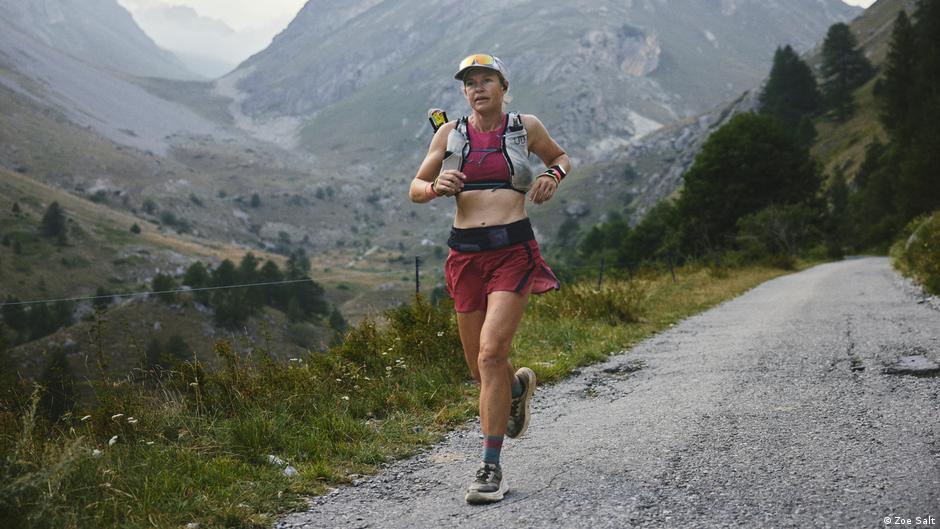
New Zealand runner Sophie Woods completed the 2,000-kilometer Via Alpina trail across the Alps in 29 days, finishing more than seven days faster than the previous men's overall record. Woods, 42, averaged three to four hours of sleep per night and consumed an estimated 6,000 to 7,000 calories daily during the effort.
Woods is among several women who have recently set overall course records in major ultra-endurance events. In 2026, Rachel Entrekin won the Cocodona 250 in the United States with a new overall record. In 2025, Tara Dower beat the men's record on Vermont's Long Trail by nearly three hours. In 2019, Fiona Kolbinger won the Transcontinental Race across Europe, and Jasmin Paris won the Spine Race in Britain, both ahead of all male competitors.
A joint analysis by RunRepeat and the International Association of Ultrarunners examined over five million results from more than 15,000 ultramarathons. The data showed that while men were on average 11.1% faster across all distances, the gap narrowed to 0.25% at 100 miles. At distances beyond 195 miles, women were on average 0.6% faster than men.
Researchers and athletes point to physiological factors that may favor women at extreme distances. Women typically have a higher proportion of fatigue-resistant Type I muscle fibers and rely more on fat oxidation for energy during prolonged exertion. The advantages men hold in muscle mass and maximal oxygen uptake become less decisive in multi-day events.
Woods also emphasized psychological and strategic elements, noting that ultra-endurance requires constant decisions about sleep, nutrition, and pain management. She credited her support team for handling logistics while she focused on moving forward, describing the process as controlling what is possible and then adapting to chaos.
The physical toll was severe. In the final stages, Woods slept as little as 90 minutes per night, sometimes lying down beside the trail. She described crying from heat, swelling, and pain in the Dolomites but continued after brief rest.
Woods highlighted a persistent gap in sports science, noting that most endurance research has historically studied male athletes. She said women have been "left behind in all of the research for decades" and are fighting for more coverage, research, and sponsorship.
Sports physiologist Nicholas Tiller described very long endurance events as "the great equaliser." While men still hold many records and are faster on average at shorter distances, the trend in ultra-endurance suggests the performance gap continues to shrink as distances increase.
Why women are breaking men's endurance records
This is an independent summary. The complete reporting, supporting context and any primary documents remain with Deutsche Welle.