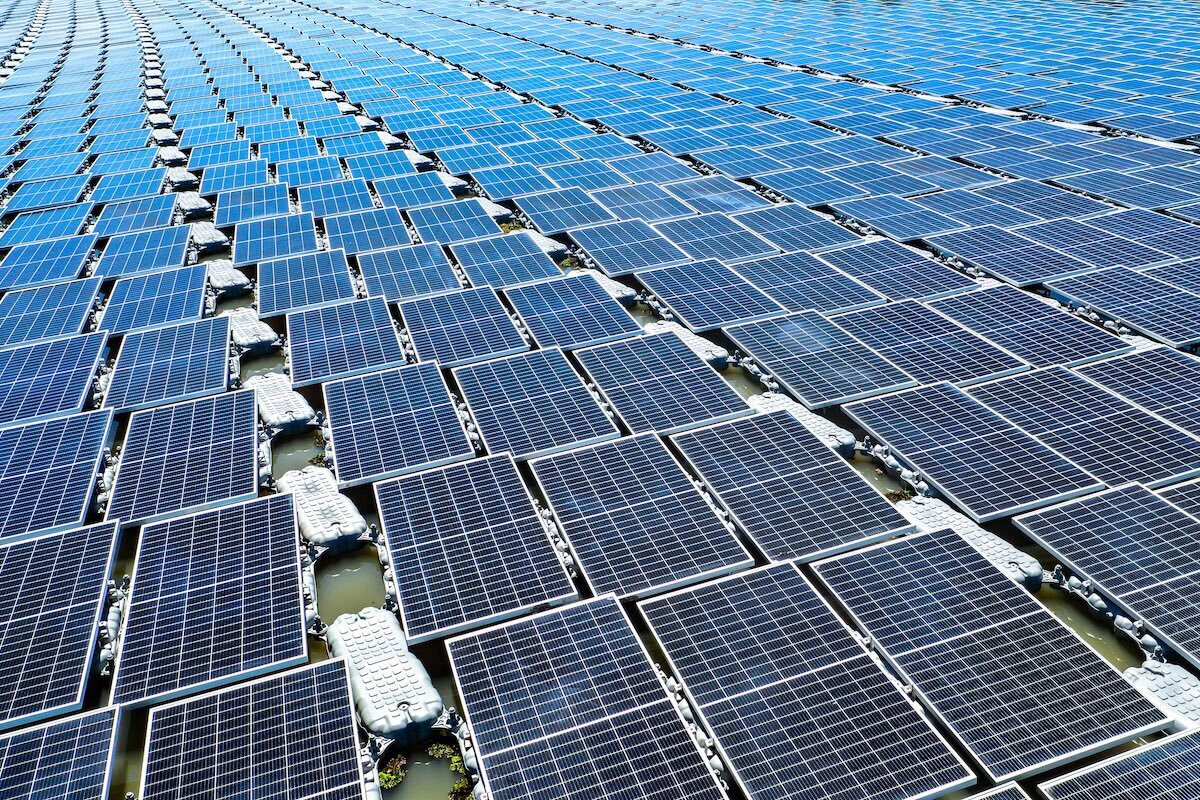
In March 2026, global installed solar capacity surpassed three terawatts, according to BloombergNEF data reported by Bloomberg. The first terawatt took nearly 70 years after the 1954 invention of the silicon solar cell, reached in 2022. The second terawatt was added in 2024, and the third arrived only two years later.
BloombergNEF projects installations will continue at a similar pace, reaching nine terawatts by 2036. Analysts expect that by that date, poorer countries excluding China will have installed more solar capacity than wealthy nations.
The initial terawatt was deployed mainly in wealthy countries through government subsidies. Since then, China has become the dominant installer, accounting for more than half of global capacity, while exporting low-cost panels worldwide.
Developing nations facing energy price shocks have accelerated adoption. In Pakistan, Nigeria, and Cuba, households and businesses have rapidly purchased imported solar panels as fossil fuel costs surged.
The expansion is driving parallel investment in grid infrastructure and storage. Pakistan has seen a surge in battery sales alongside its solar buildout.
China doubled its battery storage capacity in 2025, according to energy think tank Ember. The country's latest Five-Year Plan sets targets to further increase renewable energy deployment through additional storage capacity.
The World Adds a Third Terawatt of Solar Power
This is an independent summary. The complete reporting, supporting context and any primary documents remain with Yale Environment 360.