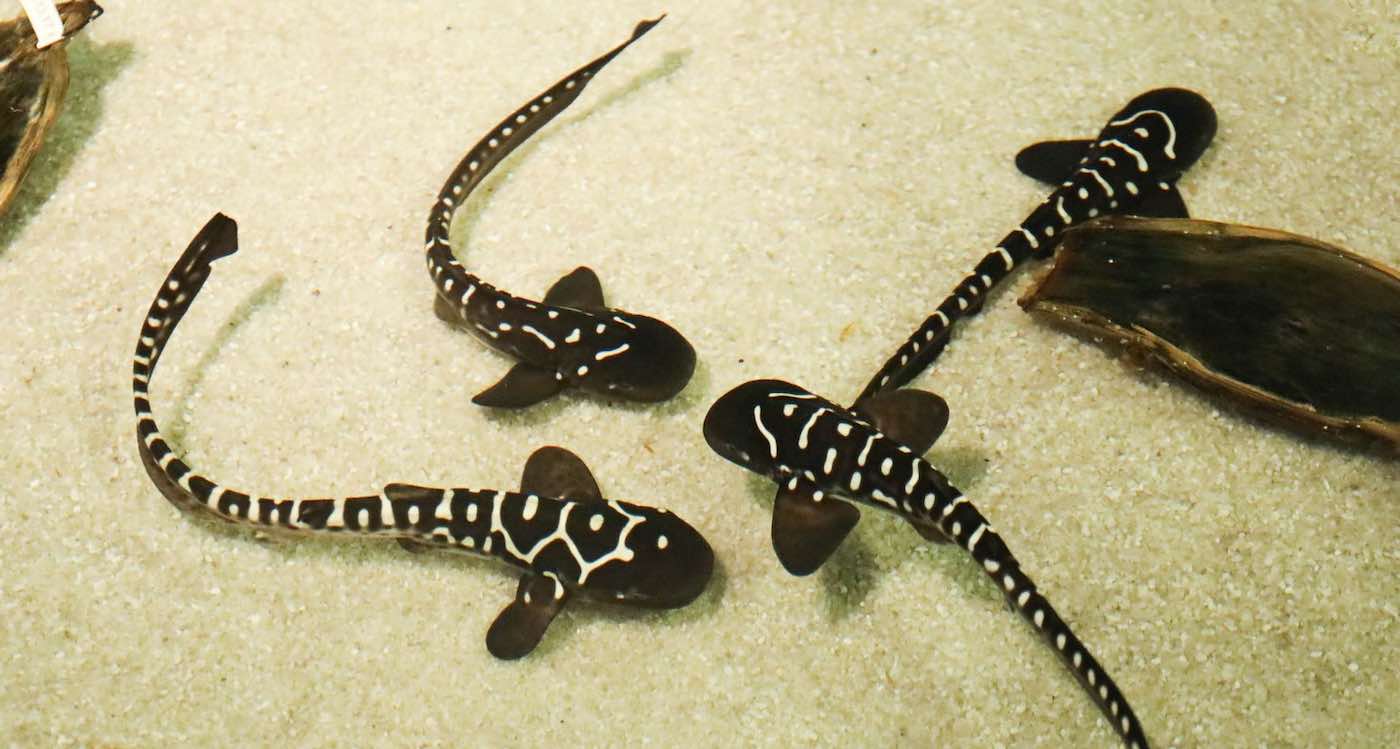
An international consortium of 60 aquariums across 15 countries has released 82 captive-bred zebra shark pups into the waters of Raja Ampat, Indonesia, in what is described as the first rewilding effort for any shark species. The program, operated by the organization ReShark, transports viable eggs from partner aquariums to nurseries in Raja Ampat and Phuket, Thailand, where specialists rear the hatchlings until they reach about one meter in length.
Zebra sharks, also known as Indo-Pacific leopard sharks, are egg-laying bottom dwellers that were heavily overhunted for their fins, leading the IUCN to list them as Endangered. In 2019, researchers estimated only about 20 adult individuals remained in the Raja Ampat region. The species' reproductive biology made it a candidate for captive breeding and release, a method more commonly applied to terrestrial mammals.
The pups were released into a 46,000-square-kilometer shark and manta ray sanctuary. Satellite tagging has allowed ReShark to monitor their early behavior; data indicate the young sharks are foraging well and remaining within the sanctuary boundaries, which offers protection from illegal fishing.
ReShark executive director Mark Erdmann said the initiative represents 'active recovery' rather than relying solely on marine protected areas or fisheries management. The program originated after aquarium staff in Singapore reported their captive zebra sharks were producing more viable eggs than their facilities could accommodate.
The released sharks will require between five and 12 years to reach sexual maturity. The ultimate test of the rewilding method will be whether these animals reproduce successfully in the wild, a result ReShark expects to begin evaluating by 2028 at the earliest.
Beyond breeding, ReShark works with local communities in Indonesia and Thailand to reduce harvesting pressure by involving fishers in the project and highlighting the sharks' ecological importance. Because 43 percent of shark species lay eggs, organizers say a successful outcome could provide a replicable model for other threatened egg-laying sharks in different regions.
Zebra Sharks the First Ever to Be Rewilded After 82 Pups Released by Dedicated ‘Shark Nannies’
This is an independent summary. The complete reporting, supporting context and any primary documents remain with Good News Network.